 Image 1 of 5
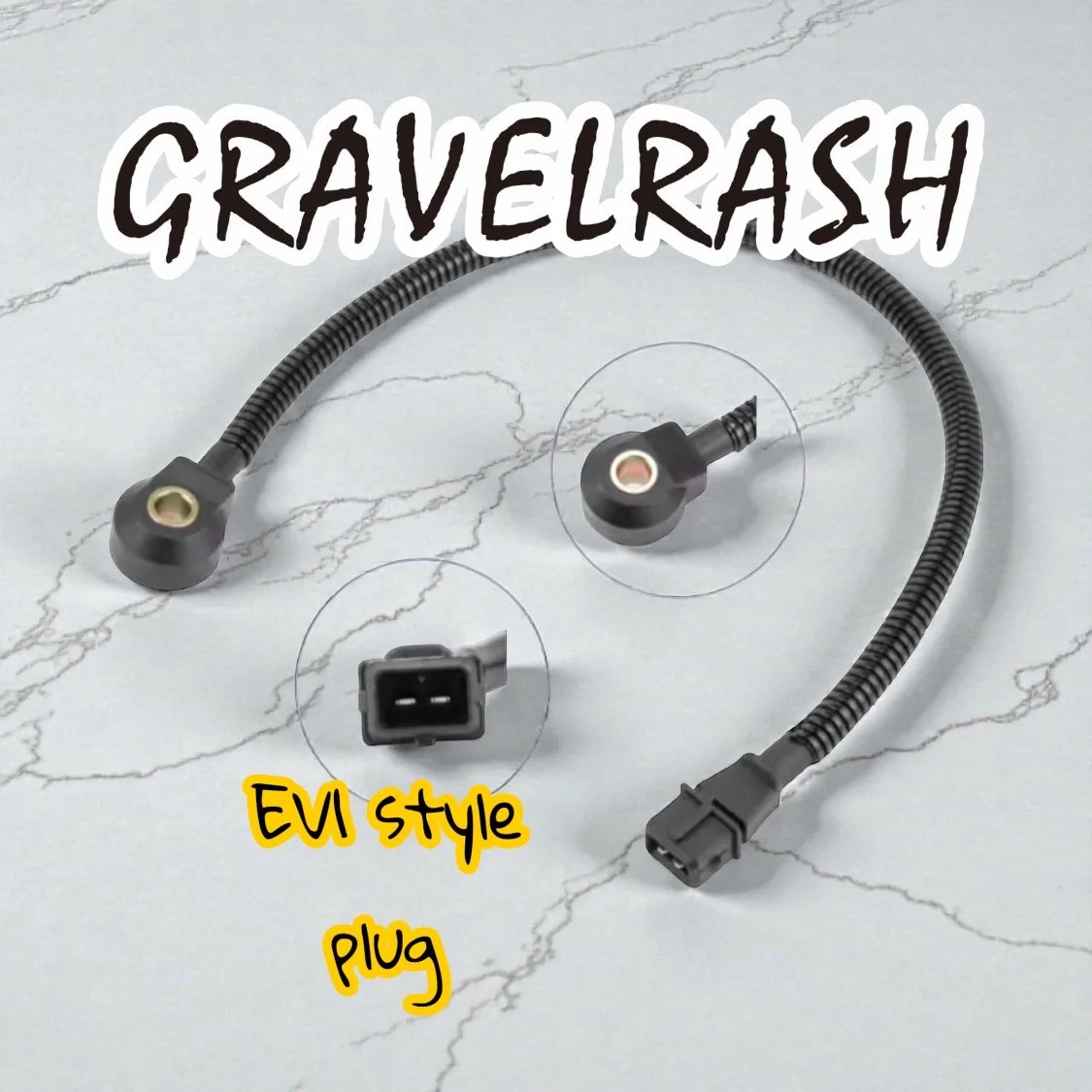 Image 2 of 5
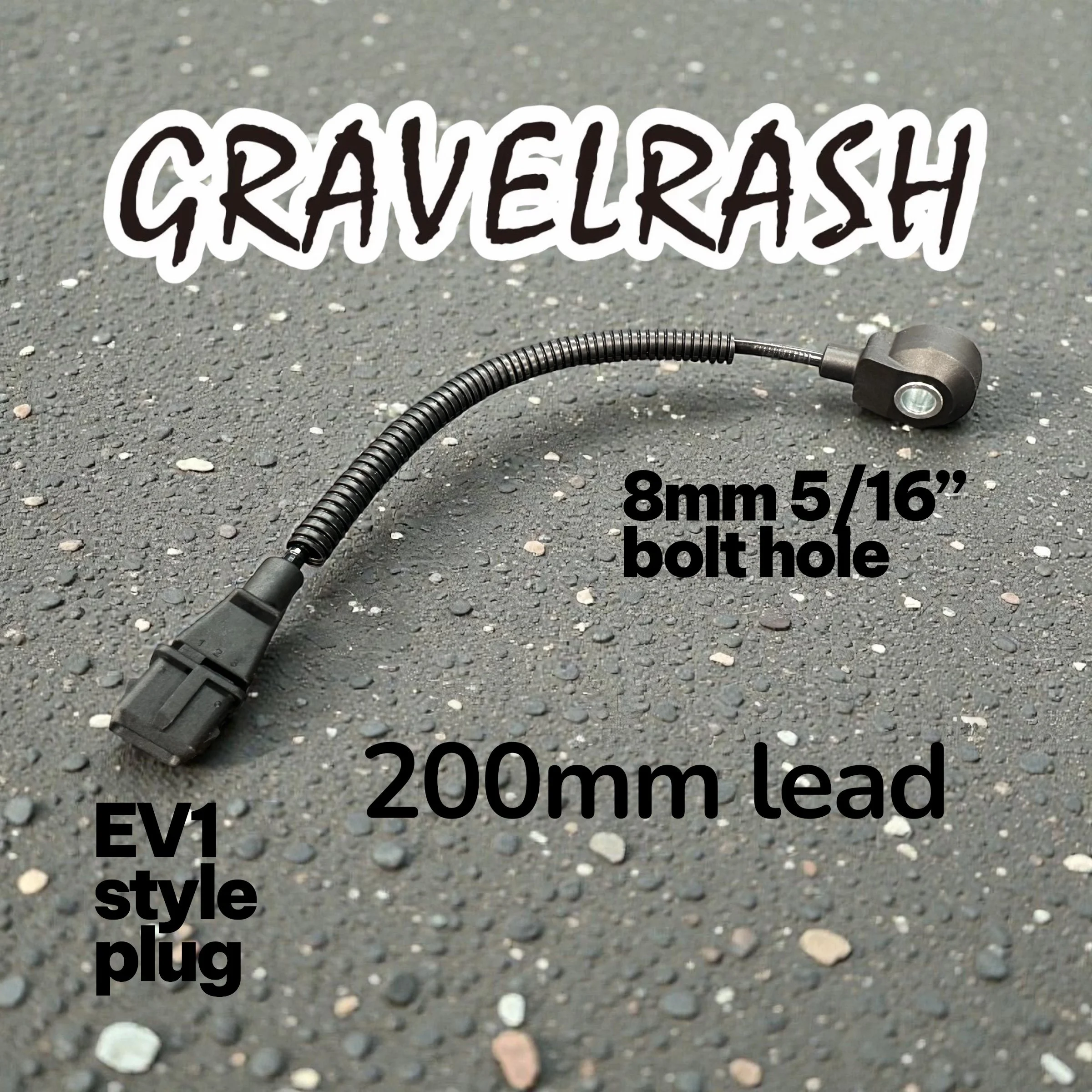 Image 3 of 5
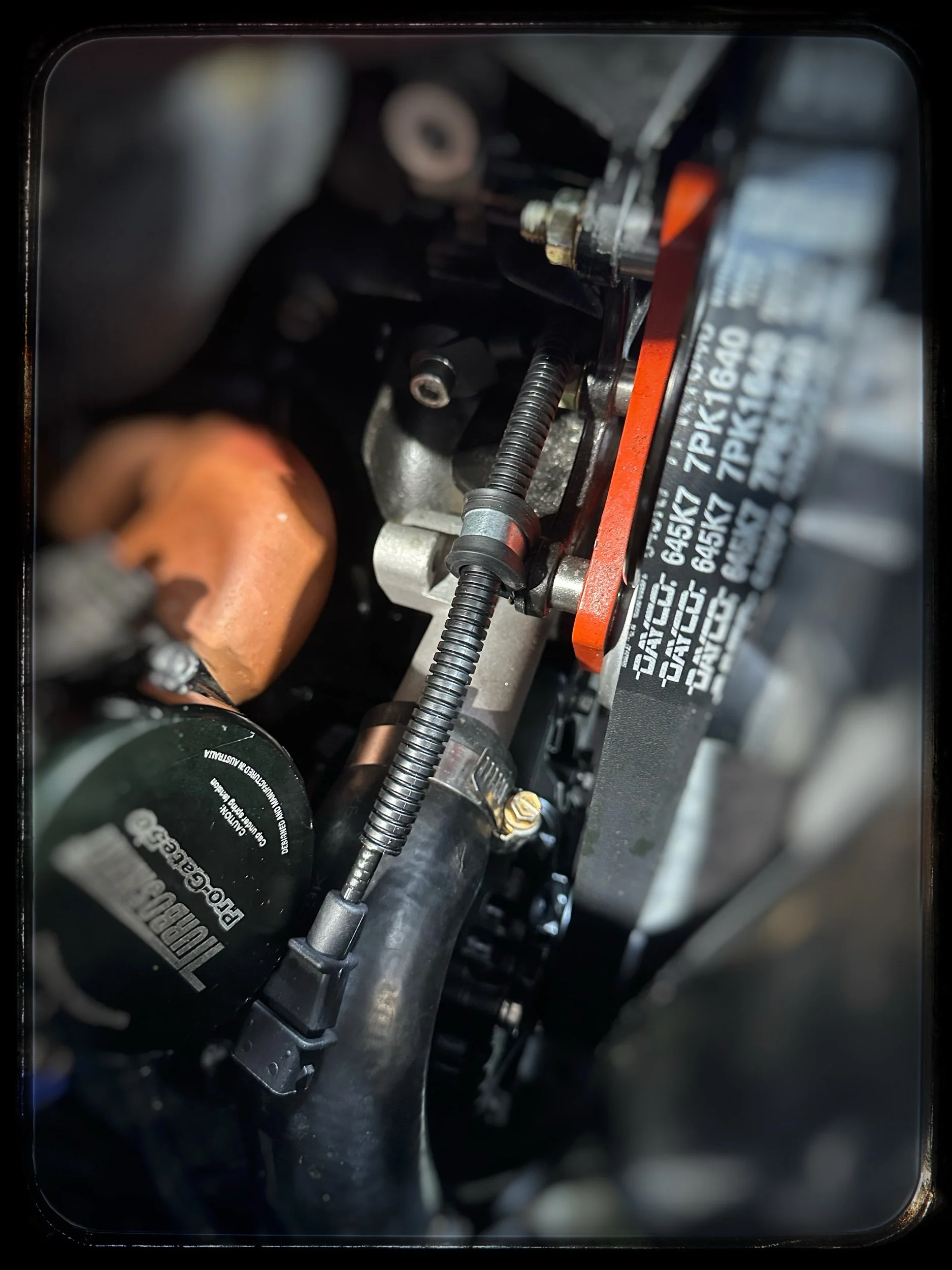 Image 4 of 5
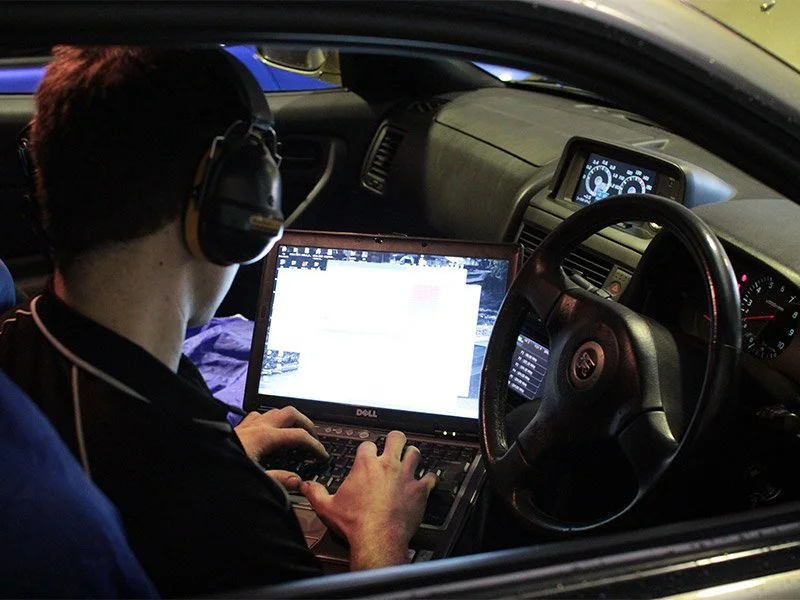 Image 5 of 5
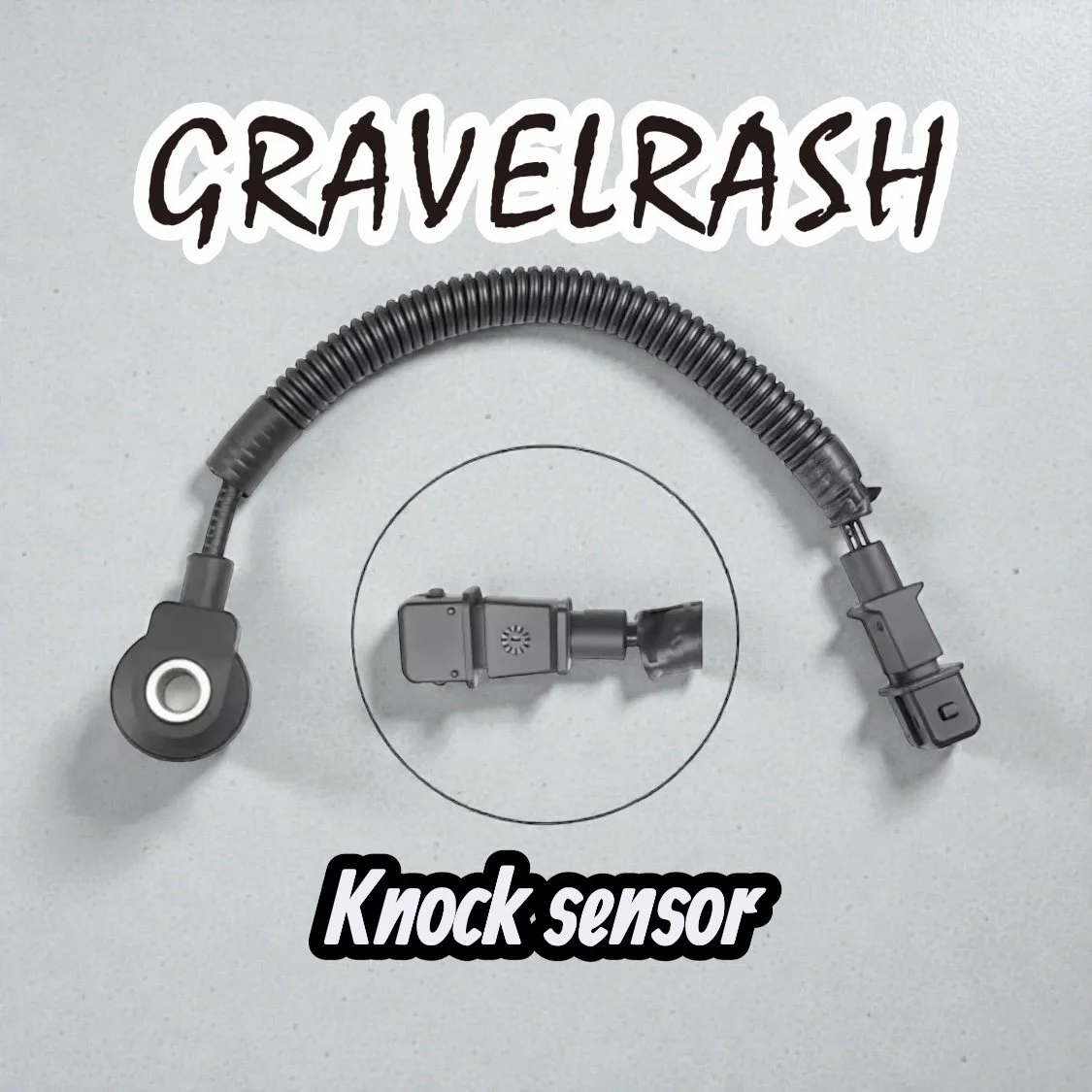
I’ve always believed in being kind to your tuner. You want to make his job as easy as it can be, after all he doesn’t deserve to be crawling under your car getting burnt to find a location to hook up his sensor for his Knock Ears tuning tool.
Go the one step further and provided a knock sensor already bolted to my engine for the tuner to plug into. Once the tuning has been done the sensor can be unplugged and left in place for next time.
The best location for a knock sensor is on the upper part of the engine block, ideally in the center (between cylinders 2 & 3 for 4cyl, 3 & 4 for 6cyl, anywhere on side of block preferably halfway along block and as high up on the block deck as possible.
This position provides the best signal-to-noise ratio, as it is close to the combustion chamber but avoids excessive valve train noise.
Sensor has 8mm 5/16” hole in the centre.
I’ve always believed in being kind to your tuner. You want to make his job as easy as it can be, after all he doesn’t deserve to be crawling under your car getting burnt to find a location to hook up his sensor for his Knock Ears tuning tool.
Go the one step further and provided a knock sensor already bolted to my engine for the tuner to plug into. Once the tuning has been done the sensor can be unplugged and left in place for next time.
The best location for a knock sensor is on the upper part of the engine block, ideally in the center (between cylinders 2 & 3 for 4cyl, 3 & 4 for 6cyl, anywhere on side of block preferably halfway along block and as high up on the block deck as possible.
This position provides the best signal-to-noise ratio, as it is close to the combustion chamber but avoids excessive valve train noise.
Sensor has 8mm 5/16” hole in the centre.